Header Ad Slot

Latest Articles

Saturday, February 28, 2026

Debt Snowball vs Avalanche: Which Method Pays Off Debt Faster?

Introduction

What would your life look like if every dollar you earned actually belonged to you? No minimum payments hanging over your head. No high-interest charges quietly draining your income each month. For millions of people, debt feels like a constant weight — credit cards, personal loans, and medical bills piling up faster than they can be paid down. The good news? There’s a structured way out.

If you’ve been researching how to pay off debt faster, you’ve probably come across two popular strategies: the “debt snowball” and the “debt avalanche.” These methods have helped countless people organize their repayments, stay focused, and eliminate balances systematically instead of feeling overwhelmed. But while both approaches aim for the same goal — becoming debt-free — they work in very different ways.

So which strategy is better? In this guide, we’ll break down the differences between the debt snowball and debt avalanche methods, compare them side by side, and help you decide which one fits your personality, goals, and financial situation. By the end, you’ll have a clear action plan to start reducing your debt with confidence.

What Are the Debt Snowball and Debt Avalanche Methods?

When it comes to choosing the best way to pay off multiple debts, two strategies consistently stand out: the debt snowball and the debt avalanche. Both methods require discipline and extra payments beyond the minimum, but they differ in how you prioritize which debt to attack first. Understanding how each works is the first step toward choosing the right repayment strategy for your situation.

Debt Snowball Method

The debt snowball method, popularized by personal finance expert Dave Ramsey, focuses on building momentum through quick wins. With this approach, you list all your debts from the smallest balance to the largest, regardless of interest rate. You continue making minimum payments on every debt, but any extra money goes toward the smallest balance first.

Once the smallest debt is fully paid off, you take the amount you were paying on it and “roll” it into the next smallest debt. As each balance disappears, your available payment amount grows — like a snowball rolling downhill, gaining size and speed. The main advantage of this method is psychological: seeing debts disappear quickly can boost motivation and help you stay committed to the process.

Debt Avalanche Method

The debt avalanche method takes a more strategic, interest-focused approach. Instead of organizing debts by balance, you list them from highest interest rate to lowest. You make minimum payments on all debts, but direct any extra funds toward the debt with the highest interest rate first.

After eliminating the highest-interest debt, you move to the next highest rate and repeat the process. Because high-interest debts cost you more over time, this method reduces the total interest paid and is typically the fastest way to become debt-free mathematically. While it may take longer to experience your first payoff milestone, the long-term savings can be significant.

Side-by-Side Comparison: Debt Snowball vs. Avalanche

Feature Debt Snowball Debt Avalanche
Focus Smallest balance first Highest interest rate first
Psychological Benefit Quick wins and motivation Maximum savings
Total Interest Paid Higher Lower
Time to Debt-Free Often longer Typically shorter
Best For Motivation and momentum Saving money and reducing interest

Pros and Cons of Each Method

Both the debt snowball and debt avalanche strategies can help you eliminate debt successfully. However, each has strengths and weaknesses depending on your personality, financial discipline, and goals.

Debt Snowball: Pros

  • Quick wins keep you motivated. Paying off smaller balances early creates a sense of accomplishment, which can boost confidence and momentum.

  • Simple and easy to follow. You don’t need complicated calculations — just focus on the smallest balance first.

  • Encourages consistency. Seeing progress quickly makes it easier to stick with the plan long term.

Debt Snowball: Cons

  • You may pay more in interest. Because you’re not prioritizing high-interest debts, some balances may grow faster in the meantime.

  • Not always the fastest overall method. Mathematically, it usually takes longer to become debt-free compared to the avalanche approach.

Debt Avalanche: Pros

  • Saves the most money on interest. By attacking the highest interest rate first, you reduce the total cost of borrowing.

  • Often gets you debt-free faster. Less interest means more of your payment goes toward principal.

  • Financially efficient. From a purely mathematical standpoint, this method is optimal.

Debt Avalanche: Cons

  • Progress may feel slow at first. High-interest debts often have larger balances, so it can take time before you eliminate your first account.

  • Requires discipline and patience. Without quick wins, some people may feel discouraged.

  • Harder to maintain motivation. If you don’t see early results, it may be tempting to abandon the strategy.

Example Scenario with Interest Comparison

Sarah has the following debts:

  • Credit Card A: $1,200 at 22% APR

  • Credit Card B: $3,000 at 18% APR

  • Personal Loan: $7,500 at 7% APR

  • Medical Bill: $800 at 0% APR (promo rate for 6 months)

She can afford $500 per month toward debt repayment and makes minimum payments on all accounts while directing the remaining amount toward one target debt at a time.

Using the Debt Snowball Method

Order debts by balance (smallest to largest):

  1. Medical Bill ($800)

  2. Credit Card A ($1,200)

  3. Credit Card B ($3,000)

  4. Personal Loan ($7,500)

She focuses extra money on the $800 medical bill, paying it off in about 2 months, then rolls the payment into Credit Card A. Within 5 months, she eliminates both debts.

Interest Impact:

  • Because she’s not attacking the high-interest Credit Card A first, she ends up paying roughly $250 in interest on her credit cards before they’re fully paid.

  • Quick wins give her motivation, but total interest paid is higher.

Using the Debt Avalanche Method

Order debts by interest rate (highest to lowest):

  1. Credit Card A (22%)

  2. Credit Card B (18%)

  3. Personal Loan (7%)

  4. Medical Bill (0%)

She focuses on Credit Card A first, even though it isn’t the smallest debt.

Interest Impact:

  • By eliminating the 22% interest debt first, she reduces total interest paid to roughly $180 on her credit cards — a savings of about $70 compared to the snowball method.

  • It may take longer to see the first debt disappear, but over time she becomes debt-free faster and pays less overall.

Key Takeaway

  • Debt Snowball: Faster emotional wins, slightly higher interest.

  • Debt Avalanche: Slower initial payoff, but saves money on interest and is mathematically optimal.

Which Debt Payoff Method Is Right for You?

Choosing the best debt payoff strategy isn’t just about math — it’s about behavior. The right method is the one you can stick with consistently. If you feel overwhelmed by multiple balances and need quick motivation to stay committed, the debt snowball can give you early wins that build confidence. Watching accounts disappear one by one can create powerful momentum.

On the other hand, if you’re disciplined and focused on long-term savings, the debt avalanche may be the smarter choice. By prioritizing high-interest debts first, you minimize the total interest paid and often become debt-free faster overall. If your main goal is to save as much money as possible, this approach gives you the greatest financial efficiency.

Ultimately, success doesn’t depend on which strategy looks better on paper — it depends on which one keeps you consistent month after month.

While the debt snowball method can boost motivation through quick wins, the debt avalanche method is mathematically more efficient because it reduces high-interest debt first and saves more money over time. Some people stay consistent with small psychological victories, while others prioritize long-term savings and financial efficiency. In some cases, a hybrid approach — starting with snowball for momentum and switching to avalanche for cost efficiency — can provide both motivation and smart optimization.

Actionable Steps to Get Started

No matter which method you choose, the key is taking action. Here’s how to begin:

  • List all your debts. Write down balances, interest rates, and minimum payments. Seeing everything clearly removes uncertainty and helps you plan strategically.

  • Choose your strategy. Decide whether you need psychological momentum (snowball) or want to minimize interest costs (avalanche).

  • Automate your payments. Setting up automatic transfers reduces the risk of missed payments and keeps your progress steady.

  • Track your progress monthly. Use a spreadsheet, budgeting app, or even a simple notebook to monitor balances decreasing over time.

  • Consider a hybrid approach. Some people pay off one or two small debts for motivation, then switch to the avalanche method to maximize savings.

  • Avoid adding new debt. Focus on reducing what you owe before taking on new financial obligations.

Small, consistent payments may not feel dramatic at first — but over time, they create real financial transformation.

Frequently Asked Questions: Debt Repayment

1. Which is better: Debt snowball or avalanche?
There’s no one-size-fits-all answer. The avalanche method saves you the most money by minimizing interest, but the snowball method is often more effective for staying consistent because those "quick wins" provide the psychological fuel to keep going.
2. How do I start paying off my debt?
First, list all debts with their balances, interest rates, and minimum payments. Choose your strategy, then automate the minimum payments for all debts except the one you are targeting. Put every extra dollar toward that one specific target.
3. Can I combine both methods?
Yes! This is called the "Hybrid Method." Many people pay off 1 or 2 small "nuisance" debts first to clear the mental clutter (Snowball), then shift their focus to the debt with the highest interest rate (Avalanche) to save money long-term.
4. What if I have a 0% APR balance?
Tackle it after higher-interest debts, but keep an eye on the calendar. You must ensure the balance is gone before the promotional period ends, as some cards retroactively charge interest on the full original amount if any balance remains.
5. Are there tools to help me manage debt?
Absolutely. Use payoff calculators (NerdWallet or Forbes) to see your "debt-free date." Budgeting apps like YNAB (You Need A Budget) or Mint alternatives can help you "find" extra money in your spending to put toward your debt.
6. How long will it take to become debt-free?
The timeline is determined by your "Debt-to-Income" ratio and your discipline. While the Avalanche method is technically the fastest way to 0, the method that you actually stick to is the one that will be fastest for you.
7. What should I do if I fall behind on payments?
Don't panic or ignore the mail. Contact your creditors immediately; many have hardship programs that can temporarily lower your interest rate or pause payments. Reassess your budget to cut all non-essential "wants" until you are caught up.

Helpful Resources

To further support your debt repayment journey, explore these trusted guides and tools. 

Related Article on Smart Finance Global

Trusted External Resources

Conclusion

Becoming debt-free is about more than numbers on a spreadsheet — it’s about peace of mind. Imagine waking up without worrying about minimum payments, late fees, or high interest charges eating into your income. No more stress every time your phone buzzes with a bank notification. Instead of your money going toward past debts, it starts working for your future. That mental relief alone can be life-changing.

Financial freedom doesn’t necessarily mean being rich — it means having control. Once your debts are paid off, you can redirect those monthly payments toward savings, investments, travel, starting a business, or building an emergency fund. The money that once felt like a burden becomes a powerful tool. Whether you choose the snowball method for motivation or the avalanche method for maximum savings, the real victory is gaining back control of your financial life.

The most important step isn’t choosing the “perfect” strategy — it’s starting. Pick a method, commit to it, and stay consistent. Progress may feel slow at first, but every payment brings you closer to freedom. Your debt-free future isn’t just waiting — it’s built one focused decision at a time.

Friday, February 27, 2026

Freelancing vs. Remote Work: Which Builds More Wealth?

Introduction

Which path would make you wealthier in 5 years: earning $50/hour on your own terms as a freelancer, or a $90,000 annual salary with benefits as a remote employee? The answer isn’t as simple as it seems—it depends on your skills, lifestyle, risk tolerance, and financial habits. Understanding the differences between freelancing and remote work is crucial if your goal is not just income, but real wealth-building.

The world of work has changed dramatically over the last decade. With high-speed internet, global connectivity, and digital platforms, people can now work from anywhere—whether it’s a beach in Bali or their home office in Nairobi. Freelancing and remote work have emerged as the most popular options, each offering flexibility, freedom, and opportunities to escape the traditional 9-to-5 grind. Yet, while they share similarities, the paths diverge significantly when it comes to stability, benefits, and long-term financial growth.

Choosing the right path is about more than just money in the short term. Freelancing offers the potential for unlimited earnings, but comes with unpredictable income and the responsibility of managing taxes, expenses, and client relationships. Remote work offers predictability, structured growth, and employer-provided benefits that can compound into significant long-term wealth. In this guide, we’ll break down the pros, cons, and real-world examples to help you decide which path aligns with your financial goals and lifestyle aspirations.

Defining Freelancing vs. Remote Work

Freelancing means working independently, offering your skills or services to multiple clients rather than a single employer. Freelancers are essentially self-employed—they find their own work, set their own rates, negotiate contracts, and manage all aspects of their business, from marketing to taxes. This independence gives freelancers flexibility and control, but also places the responsibility of securing consistent income squarely on their shoulders.

Remote work, in contrast, involves being employed by a company but performing your job outside of a traditional office. Remote workers usually have a stable employment relationship, receive a fixed salary, and often enjoy benefits such as health insurance, retirement plans, and paid leave. While remote workers may have some flexibility in location and schedule, their income and career progression are typically tied to company policies and performance metrics.

Understanding the differences between these two paths is crucial, because your choice affects not just your daily routine, but your long-term income, financial stability, and wealth-building potential. Freelancing can offer unlimited earning potential, but with more risk, while remote work provides stability and benefits that compound over time.

Freelancing: Pros & Cons

Pros

  • Unlimited Earning Potential: Freelancers can set their own rates and take on as many clients as they can handle. There’s no cap on earnings, especially in high-demand industries like IT, design, digital marketing, and consulting. For example, a freelance software developer can charge $100+ per hour, while a remote employee typically earns a fixed annual salary.

  • Independence: Freelancers have full control over the projects they take, the clients they work with, and their working hours. This autonomy allows them to align their work with personal goals and lifestyle preferences.

  • Diverse Clients and Projects: Working with multiple clients keeps the work interesting, broadens skill sets, and reduces dependence on a single source of income.

Cons

  • Income Variability: Freelance earnings can fluctuate month to month. Some months may bring a windfall, while others may be lean, making budgeting and financial planning more challenging.

  • Lack of Benefits: Freelancers do not receive employer-sponsored perks like health insurance, retirement plans, or paid leave. They must secure and fund these benefits on their own.

  • Self-Managed Taxes: Freelancers are responsible for tracking income and expenses, paying estimated taxes quarterly, and navigating complex deductions.

High-Paying Freelance Industries

Some industries consistently offer above-average pay for freelancers:

  • Information Technology (IT): Web and software developers, cybersecurity experts, and cloud architects are in high demand.

  • Design: UX/UI designers, graphic designers, and animators often command premium rates.

  • Consulting: Business, marketing, and management consultants can charge per project or by the hour, often earning $100–$300/hr.

  • Writing & Content Creation: Experienced writers, editors, and video producers can build highly lucrative freelance careers.

Remote Work: Pros & Cons

Pros

  • Stable Salary: Remote workers receive a predictable income, making budgeting and financial planning straightforward.

  • Benefits: Many employers provide health insurance, retirement plans, paid leave, and sometimes bonuses or stock options, which can significantly contribute to long-term wealth.

  • Predictable Income: Unlike freelancers, remote employees know exactly how much they will earn each pay period, reducing financial stress and uncertainty.

Cons

  • Limited Earning Potential: Salaries are generally capped by industry standards, company budgets, or geographic location, which can restrict income growth.

  • Less Autonomy: Remote employees usually have set working hours, report to managers, and have less freedom in choosing projects or clients, limiting flexibility and creative control.

Wealth Comparison Factors: Freelancing vs Remote Work

When deciding between freelancing and remote work, it’s important to look beyond just the paycheck. Several factors influence your ability to build long-term wealth:

1. Income Potential

  • Freelancers: Can scale their earnings by taking on more clients, raising rates, or specializing in high-demand niches. However, income can be unpredictable, especially in the early stages or during economic downturns.

  • Remote Workers: Enjoy stable, regular paychecks with increases often tied to performance reviews. Their earnings, however, usually have a ceiling unless they switch jobs or get promoted.

2. Expenses & Taxes

  • Freelancers: Must handle business-related expenses (software, equipment, marketing, workspace), pay self-employment taxes, and manage fluctuating cash flow. The upside: many expenses are deductible, which can reduce taxable income.

  • Remote Workers: Typically have minimal job-related expenses since employers often provide equipment and software. Taxes are straightforward, and benefits like health insurance and retirement matching contribute significantly to wealth accumulation.

3. Lifestyle Trade-Offs

  • Freelancers: Enjoy maximum flexibility—choose your hours, vacations, and work location. The trade-off is blurred boundaries between work and personal life, plus potential burnout from juggling multiple clients or hustling for new projects.

  • Remote Workers: Benefit from structured schedules and clear expectations. Flexibility exists but is usually within employer-defined boundaries, which reduces stress about income uncertainty but limits autonomy.

4. Career Growth & Skills Development

  • Freelancers: Must proactively learn new skills, network, and stay competitive. There’s no formal career ladder, but growth potential is virtually unlimited for those who invest in themselves.

  • Remote Workers: Often have access to employer-sponsored training, mentorship, and promotion opportunities. Career growth can be steady and predictable, though sometimes constrained by company structure.


Freelancing vs. Remote Work: Comparison Table
Feature / Factor Freelancing Remote Work
Income Potential Unlimited, but variable Stable, but capped
Benefits None (self-funded) Employer-provided
Flexibility Maximum Moderate
Job Security Low (client-dependent) High (employer-dependent)
Expenses Business, equipment, taxes Minimal, often covered
Work-Life Balance Flexible, but can blur boundaries Structured, easier to separate
Taxes Self-managed, complex Employer-managed, simple
Career Growth Self-driven, unlimited Structured, may be limited

Case Studies & Real-World Examples

Case Study 1: Freelance Developer vs. Remote Software Engineer

  • John – Freelance Developer: Specializing in cybersecurity, John charges $150/hour and works an average of 25 billable hours per week. After accounting for business expenses, self-employment taxes, and time spent finding clients, he nets around $120,000 per year. Some months are busier than others, so careful budgeting and saving for retirement are essential.

  • Sarah – Remote Software Engineer: Employed by a large tech company, Sarah earns $110,000 per year, plus health insurance, a 401(k) with employer match, and paid time off. Her income is consistent, benefits are substantial, and she doesn’t need to worry about sourcing clients.

Outcome: John has higher earning potential, especially if he scales up or specializes further, but faces more financial uncertainty. Sarah enjoys stability and benefits that contribute to long-term wealth.

Case Study 2: Freelance Designer vs. Remote UX Designer

  • Priya – Freelance Graphic Designer: Serving clients in the US and Europe, Priya charges per project. Some months she earns over $10,000, but occasional late payments and dry spells require careful budgeting. She invests in marketing and continuous skill development to stay competitive.

  • Miguel – Remote UX Designer: Working for a multinational corporation, Miguel earns $85,000 per year, with annual performance bonuses and access to professional development programs. He values the predictability of income and uses free time to grow a side business.

Outcome: Both are successful, but Priya’s income varies more. Miguel’s steady income and benefits make it easier to plan for the future and build long-term wealth.

Industry and Location Matters

  • High-Demand Skills: Specializations like cloud computing, AI, or consulting command premium freelance rates.

  • Location Impact: Freelancers can earn more by serving high-paying markets regardless of where they live. Remote workers’ salaries may be adjusted based on company location or geographic pay scales.

The growth of independent work is not just anecdotal. According to Upwork’s Future Workforce Report, freelancing continues to expand as businesses increasingly hire independent professionals for specialized skills. This trend suggests that both freelancing and remote work will remain strong wealth-building paths in the digital economy.

Freelancing vs. Remote Work: Strategy FAQ

1. Is freelancing more profitable than remote work?
It can be, especially in high-demand fields. Freelancers set their own rates and can scale by taking multiple clients. However, profitability depends on your ability to consistently find work and manage your own overhead.
2. Which is better for long-term wealth?
Remote work offers "passive" wealth building through employer-matched 401(k)s and insurance. Freelancing offers a higher ceiling, but requires more discipline to manually fund your own retirement and safety nets.
3. Which path is better for beginners?
Remote work is usually safer for beginners as it provides mentorship and steady pay. Freelancing is better for those who already have a strong portfolio, network, and basic business management skills.
4. Do freelancers pay more in taxes?
Freelancers pay the full 15.3% self-employment tax (social security/medicare), whereas employers pay half for remote workers. However, freelancers can deduct business expenses (home office, gear, travel) to lower their taxable income significantly.
5. Can I switch between freelancing and remote work?
Absolutely. Many professionals move between the two depending on their life stage. It is common to work remotely for 5 years to build a network, then jump into freelancing using those same connections.
6. How does "Passive Income" differ between the two?
Remote workers typically get passive income through stock options (RSUs) or 401(k) dividends. Freelancers can build passive income by creating digital products, courses, or templates based on their client work expertise.


Conclusion: Which Path Builds More Wealth?

There’s no one-size-fits-all answer. Freelancing offers the highest upside for individuals with specialized skills, entrepreneurial drive, and a willingness to manage financial uncertainty. Remote work, on the other hand, provides stable income, structured career progression, and employer-sponsored benefits that steadily compound into long-term wealth.

Balanced Takeaway

If your priority is maximum earning potential and independence, freelancing may be the better path. If you value income stability, predictable growth, and built-in benefits, remote work may help you build wealth with less risk.

In the debate of freelancing vs remote work income potential, the real difference isn’t just how much you earn — it’s how well you manage risk, expenses, and long-term financial planning.

Action Steps to Decide

Before choosing your path, ask yourself:

  • Do I prefer stability or flexibility?

  • Can I handle income variability?

  • Do I have in-demand, premium skills?

  • Am I disciplined enough to manage taxes and retirement savings on my own?

  • What matters more right now — security or scalability?

Whether you choose freelancing, remote work, or a hybrid approach, your long-term wealth will depend on:

Ultimately, the question isn’t just “Which pays more — freelancing or remote jobs?” but rather “Which path aligns with my risk tolerance and long-term wealth strategy?”

If you found this guide helpful, share your thoughts or experiences in the comments — your journey might help someone else decide their next move.

Thursday, February 26, 2026

Stablecoins Explained: Are They Really Safe?


Introduction

Imagine a digital dollar that moves as fast as a text message, available 24/7 worldwide, and aims to maintain a steady value despite the volatility of traditional cryptocurrencies. This is the promise of stablecoins, a category of digital assets designed to combine the speed and accessibility of crypto with the price stability of traditional money like the U.S. dollar, and sometimes even commodities such as gold.

Stablecoins are rapidly gaining adoption, not only among crypto traders but also within mainstream finance. They are widely used for payments, trading, cross-border transfers, and decentralized finance (DeFi) applications. However, beneath their reassuring name lies an important question: are stablecoins truly safe, or are they only “stable” under ideal conditions?

To understand stablecoins, you must examine how they maintain their value, what assets back them, and the risks involved. Some are supported by real-world reserves such as cash or government securities, while others rely on crypto collateral or complex algorithmic mechanisms. History has shown that confidence is critical — when trust weakens, even assets labeled as “stable” can lose their peg, as demonstrated by the collapse of TerraUSD.

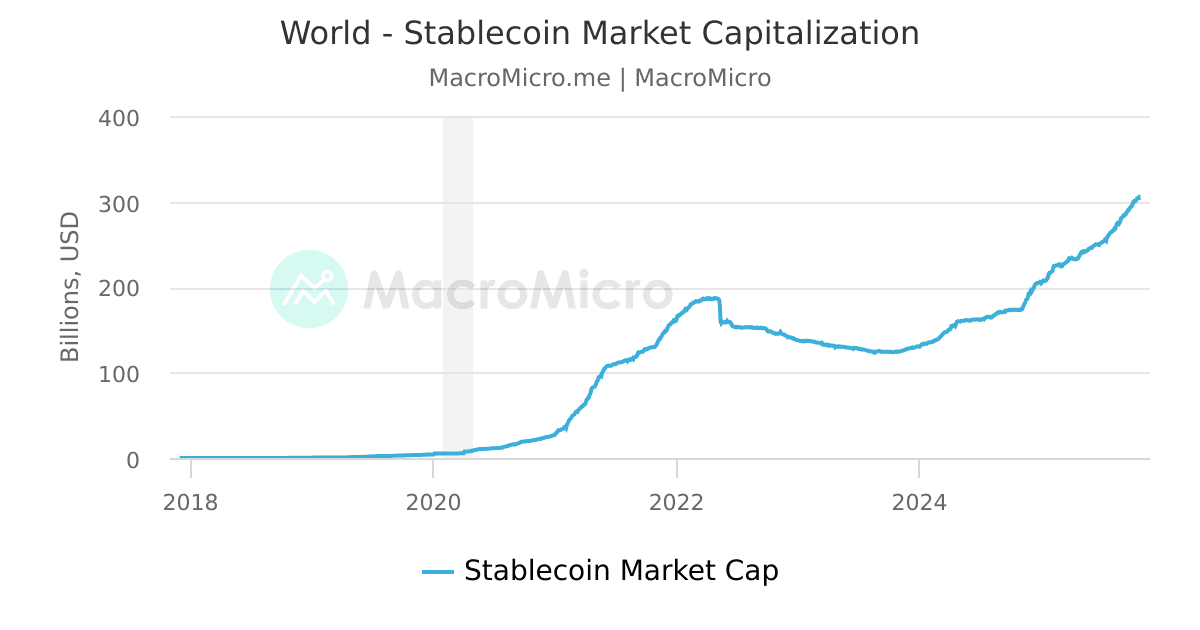
Stablecoins now represent over $300 billion in circulating value, reflecting their expanding role in global payments, trading, and decentralized finance.

In this guide, we will explore the different types of stablecoins, how they function, their real-world applications, and the key safety concerns investors and users should consider. By the end, you will have a clear, balanced understanding of what “stable” truly means in the evolving world of digital money.

1. Types of Stablecoins

Stablecoins are not all created equal. How they maintain their value—and how safe they are—depends on what backs them and the mechanism keeping their price stable. Broadly, there are three main types: fiat-backed, crypto-backed, and algorithmic stablecoins. Each comes with unique benefits, risks, and trade-offs.

Fiat-Backed Stablecoins

Examples: USDT (Tether), USDC (USD Coin), BUSD

How They Work:
Fiat-backed stablecoins are pegged 1:1 to a traditional currency, usually the US dollar. The issuer claims that for every coin in circulation, an equivalent dollar (or equivalent asset) is held in reserve—often in bank accounts, cash, or short-term securities.

Pros:

  • Simplicity: Easy to understand; value is tied directly to real-world money.

  • Stability: Less volatile than other cryptocurrencies.

  • Liquidity: Widely accepted for trading and payments.

Cons:

  • Trust Required: Users must believe the issuer actually holds the reserves.

  • Centralization: A single entity controls the coin and can freeze transactions if required.

  • Regulatory Risk: Subject to audits, banking regulations, and government oversight.

Crypto-Backed Stablecoins

Examples: DAI (MakerDAO), sUSD

How They Work:
Crypto-backed stablecoins are secured with other cryptocurrencies, such as Ethereum (ETH). Because crypto prices are volatile, these coins are often over-collateralized—for example, $150 worth of ETH might be locked to mint $100 of DAI. Smart contracts automatically manage liquidations to maintain stability.

Pros:

  • Decentralization: Operates on blockchain protocols without relying on a single issuer.

  • Transparency: Collateral is visible on-chain for anyone to verify.

  • Resilience: Cannot be arbitrarily frozen by a central authority.

Cons:

  • Complexity: Can be confusing for beginners.

  • Volatility Risk: Rapid drops in collateral value can trigger forced liquidations.

  • Capital Inefficiency: Over-collateralization ties up more assets than fiat-backed coins.

Algorithmic Stablecoins

Examples: TerraUSD (UST, now defunct), Ampleforth

How They Work:
Algorithmic stablecoins use computer algorithms and market incentives to maintain a peg—without holding real-world reserves. If the price drops below $1, the protocol reduces supply; if it rises above $1, it increases supply.

Pros:

  • No Reserves Needed: Operates independently of banks or collateral.

  • Fully On-Chain: Autonomous and theoretically decentralized.

Cons:

  • Fragility: Relies heavily on market confidence and correct incentive structures.

  • High Risk of Collapse: If confidence fails, the peg can break rapidly—as seen with TerraUSD.

  • Experimental: Few algorithmic stablecoins have survived long-term.


Comparison of Stablecoin Types

Type Backing Example Key Advantage Main Risk
Fiat-Backed Traditional currency USDC Simple, stable Centralized, trust-based
Crypto-Backed Cryptocurrency DAI Decentralized, transparent Volatile, complex
Algorithmic None (algorithm) UST No reserves, fully on-chain Fragile, experimental

3. Safety Concerns of Stablecoins

Despite their name, stablecoins are not risk-free. Their promise of stability depends on complex mechanisms, reserves, and trust. Understanding the potential pitfalls is crucial before using or investing in them.

Reserve Transparency

For fiat-backed stablecoins, the main question is simple: Are they really backed 1:1 by dollars or equivalent assets?

  • Tether (USDT): For years, Tether claimed to be fully backed by dollars, but investigations revealed that some reserves were held in commercial paper or other riskier assets.

  • USD Coin (USDC): USDC publishes regular audits showing its reserves, but users must trust both the issuer and the auditor.

Risk: If reserves are insufficient, a sudden wave of redemptions could reveal a shortfall, causing the coin to lose its peg.

Users must also stay alert to crypto scams and fraud risks, which can undermine trust even in coins marketed as stable.

Run Risk

Much like a traditional bank run, stablecoins can face a loss of confidence, prompting holders to redeem en masse for real dollars.

  • Consequence: If the issuer cannot fulfill all redemptions, the stablecoin can crash below $1, resulting in significant losses for users.

  • Why it matters: Even coins with strong backing can experience rapid price drops during panic, especially in volatile markets. Recent brief de-peg incidents in 2025–2026 have reinforced that even well-established stablecoins remain sensitive to market confidence.

For example, during the Silicon Valley Bank crisis in March 2023, USDC briefly fell below $1 after part of its reserves were temporarily inaccessible. Although the peg was restored, the event showed how quickly market confidence can weaken — even in well-established stablecoins.

Regulatory Uncertainty

Stablecoins exist in a legal gray area. Governments and regulators worldwide are still defining how they should be classified, whether as securities, payment instruments, or something else.

  • Potential Impact: Authorities could freeze accounts, restrict operations, or impose new compliance requirements.

  • Current Trends:

    • The US SEC and CFTC have increased scrutiny.

    • The EU introduced the MiCA framework, regulating stablecoins under clear guidelines.

  • Takeaway: Regulatory changes can affect both usability and the perceived safety of stablecoins.

Algorithmic Failures: Lessons from TerraUSD

Algorithmic stablecoins, which rely on market mechanisms instead of reserves, can be particularly fragile.

  • Case Study: TerraUSD (UST) in 2022 collapsed when its algorithmic system failed. Confidence faltered, LUNA’s value plummeted, and over $40 billion in market value vanished within days.

  • Lesson: Without robust backing or trust in the mechanism, even coins marketed as “stable” can fail catastrophically.

Smart Contract and Cybersecurity Risk

Even decentralized stablecoins face risks from bugs or hacks, making it essential to protect your portfolio from cyber risks:

  • Vulnerabilities in smart contracts can allow attackers to drain funds or manipulate the system.

  • Users must rely on the code and the platform’s security measures rather than a central institution.

No stablecoin is completely risk-free. Even the most reputable stablecoins rely on trust — whether in the issuer, the collateral, or the code itself. Understanding the mechanisms and risks is the first step toward using them safely.

4. Regulatory Outlook

The rapid growth of stablecoins — from roughly $5 billion in 2019 to over $300 billion by 2026 — has drawn significant attention from regulators worldwide. Their influence on payments, trading, and financial markets means governments are taking a closer look. In the United States, new federal frameworks introduced in 2025–2026 have increased reserve transparency requirements and strengthened oversight of large stablecoin issuers. Meanwhile, the European Union’s MiCA framework has begun phased implementation, establishing clearer compliance standards for asset-referenced tokens.

Concerns from Central Banks and the IMF

Global financial authorities worry that unchecked stablecoin growth could threaten financial stability:

  • Run Risk: A sudden loss of confidence could trigger mass redemptions, affecting banks and markets.

  • Contagion: Problems with one large stablecoin could spill over into other financial sectors.

  • Shadow Banking: Stablecoins can enable bank-like activities outside traditional regulatory oversight, creating systemic risk.

The International Monetary Fund (IMF) and several central banks have flagged these issues, urging careful regulation to protect consumers and the financial system.

Likely Regulatory Responses

To mitigate risks, governments are proposing a range of measures:

Stricter Audits and Reserve Requirements: Issuers may be required to hold high-quality, liquid assets and undergo regular, independent audits.

Licensing and Supervision: Some jurisdictions require stablecoin issuers to register as money transmitters or obtain bank charters.

Limits on Algorithmic Models: Regulators are increasingly skeptical of uncollateralized, algorithmic stablecoins due to their inherent fragility.

Competition from Central Bank Digital Currencies (CBDCs): Governments are developing their own digital currencies, which could offer the same speed and convenience as stablecoins — but with official backing and regulatory oversight.

Who Should (and Shouldn’t) Use Stablecoins?

Stablecoins can be useful for:

  • Traders who need temporary protection from crypto volatility

  • Freelancers and businesses handling cross-border payments

  • DeFi users participating in lending or liquidity pools

However, they may not be ideal for:

  • Long-term wealth storage without understanding issuer risk

  • Investors seeking guaranteed safety

  • Users unwilling to monitor regulatory or market developments

Like any financial tool, stablecoins are best used with clear purpose and risk awareness.

Stablecoin FAQ: Security & Strategy

Everything you need to know about digital price stability

1. If a stablecoin is pegged to the Dollar, why does the price sometimes fluctuate?
Small fluctuations (e.g., $0.999 to $1.001) are normal due to exchange liquidity and trading demand. However, a significant drop is called "de-pegging." This usually happens if there is a "bank run," a hack, or news that the underlying reserves are missing or inaccessible.
2. What is the difference between USDT and USDC?
USDT (Tether) is the most liquid and widely used globally but has faced criticism over reserve transparency. USDC (USD Coin) is issued by Circle, is highly regulated in the US, and provides frequent third-party audits, making it the preferred choice for conservative institutional users.
3. Is it safe to hold my life savings in stablecoins?
No. Stablecoins carry "counterparty risk" (the issuer could fail) and "regulatory risk" (governments could freeze them). While useful for trading or short-term transfers, they do not have the same legal protections (like FDIC insurance) as a traditional bank account.
4. How do I verify if a stablecoin is actually backed by reserves?
Look for Attestations or Audits on the issuer's website. High-quality coins like USDC or PYUSD provide monthly reports from major accounting firms. For crypto-backed coins like DAI, you can verify the collateral in real-time on the blockchain using tools like Daistats.
5. Can the government freeze my stablecoins?
For centralized stablecoins (USDT, USDC, BUSD), yes. The issuers have a "blacklisting" function in their smart contracts and can freeze funds at the request of law enforcement. Decentralized stablecoins (like DAI) are much harder to freeze because they are controlled by code, not a company.
6. Why would anyone use an algorithmic stablecoin after the Terra collapse?
The appeal is pure decentralization. Algorithmic models don't rely on banks or the physical world. While many failed, new "over-collateralized" algorithmic models are being tested to be more resilient. However, they remain the highest-risk category in the market.
7. Will Central Bank Digital Currencies (CBDCs) replace stablecoins?
CBDCs (like a digital Dollar or Euro) will compete with stablecoins for payments. However, stablecoins will likely remain dominant in DeFi and crypto trading because they are natively "programmable" and operate without the surveillance or restrictions that might come with government-issued digital money.

Conclusion

Stablecoins are redefining the way money moves in the digital age. They offer instant, low-cost, and borderless transactions, serve as a temporary safe haven for crypto traders, and power innovative financial products within decentralized finance (DeFi).

But “stable” does not automatically mean “safe.” Their security depends on:

Transparency: Are reserves or collateral clearly documented and independently audited?

Regulation: Are issuers operating within legal frameworks designed to protect users?

Trust: Is the system, whether centralized, crypto-backed, or algorithmic, reliable and resilient during market stress?

Key Takeaways:

• Understand the type of stablecoin and how it maintains its value.

• Before committing funds, always conduct due diligence when evaluating cryptocurrency projects to ensure transparency and reliability.

• Monitor regulatory developments and overall market confidence.

• Be cautious with experimental or high-yield coins, as they often carry significantly higher risk.

As the market matures, stablecoins will likely become more transparent and better regulated. Still, users should never assume that “stable” means risk-free. In digital finance, stability is engineered, maintained, and constantly tested. Stay informed, use reputable platforms, and diversify your exposure to protect your funds.

In-Content Ad Slot